ELMAT Group

Home / Technologies

The technologies, and where buyers get hurt

Every system on this page works well somewhere. The trouble starts when one gets sold into an operation it doesn’t fit, or when the proposal leaves out the part that makes it work. Here’s what we look at in each.

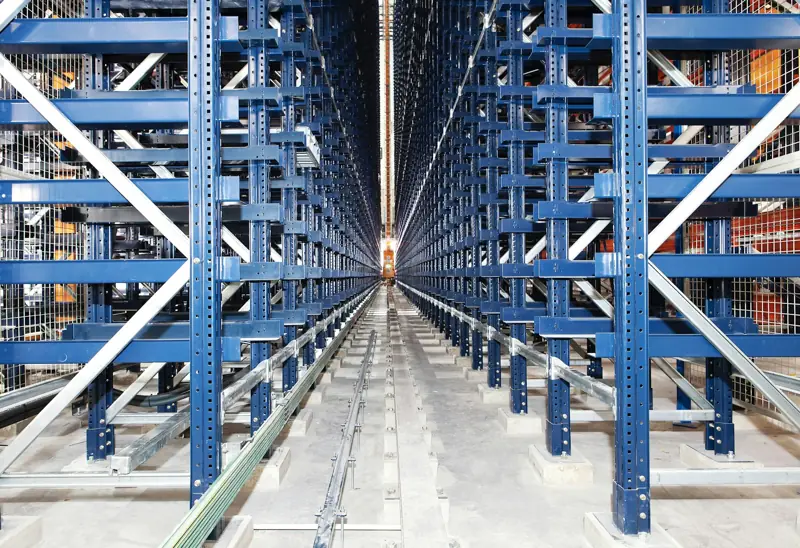
Aisle between tall steel racks in a unit-load automated storage system

ASRS and shuttle systems

Unit-load cranes, miniload, multi-level and four-way shuttles, and goods-to-person storage. Dense, fast and expensive to get wrong, because the structure, the software and the throughput math are locked in together.

Good fit
High SKU counts, steady volume, tight footprints, cold or controlled environments, and labor you can’t reliably hire.
Where buyers get hurt
Throughput quoted at average instead of peak. Fire protection, slab and structural work left out of scope. Software licensing that looks cheap until year three.
What gets checked
Cycle-time assumptions against your order profile, redundancy when a vehicle or lift goes down, and what a mid-life expansion would actually take.
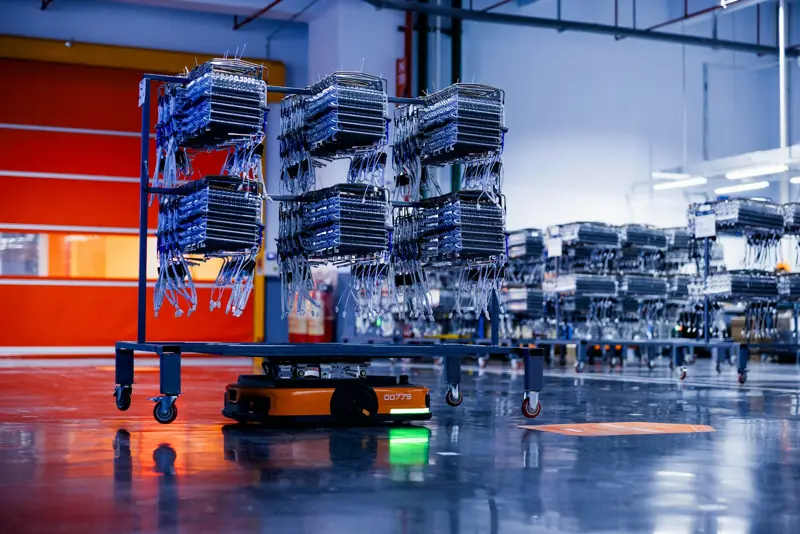
Mobile robots moving carts in a modern warehouse

AMRs, ACRs and AGVs

Mobile robots for goods-to-person picking, case and tote handling, transport between processes, and pallet moves. They scale in smaller steps than fixed automation, which is a real advantage when your volume forecast is a guess.

Good fit
Variable volume, brownfield buildings, phased investment and operations that change layout often.
Where buyers get hurt
Fleet sizing based on ideal traffic, Wi-Fi and floor conditions nobody surveyed, and, since July 2026, regulatory status. The FCC Covered List update now matters for new foreign-produced mobile robot models.
What gets checked
Simulation inputs, charging strategy, exception handling, and the vendor’s US service and parts footprint.
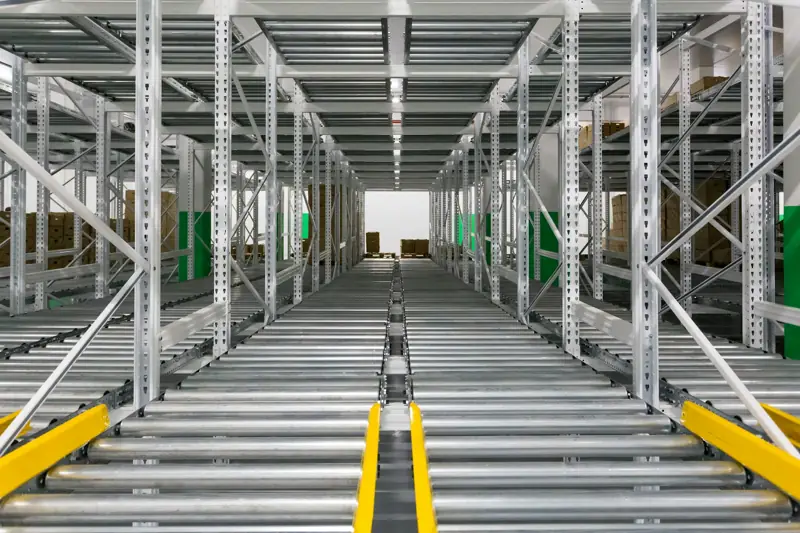
Rows of roller conveyor lanes inside steel racking used as a buffer

Sequencing and accumulation buffers

Shuttle-based buffers, pack-and-hold systems and sequencers that decouple one process from another. Common in automotive just-in-sequence supply and in e-commerce order consolidation.

Good fit
When upstream and downstream run at different speeds, or orders arrive out of the sequence the customer needs them in.
Where buyers get hurt
Sizing the buffer for today’s mix only, and treating more conveyor as a free substitute. It usually isn’t. More on that in shuttle buffer vs. more conveyor.
What gets checked
Dwell-time distribution, re-sequencing needs, and how the buffer recovers after a line stop.
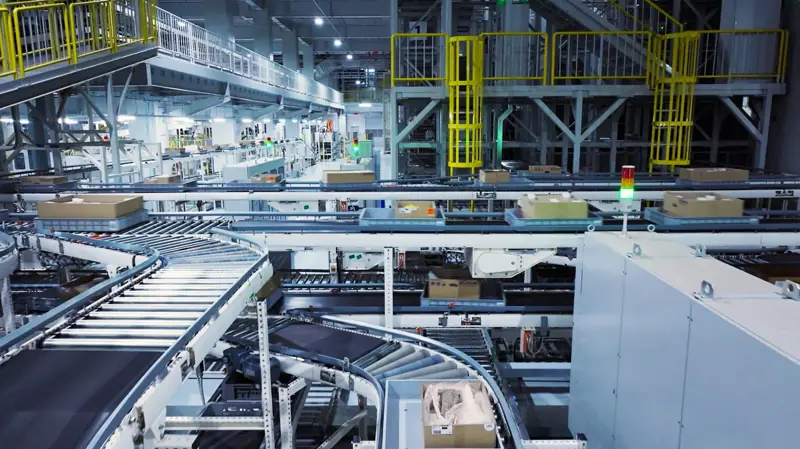
Conveyor and sortation lines carrying cartons through a fulfillment center

Conveyor and sortation

Inbound and outbound conveyor, packing lines, weigh and scan, and sorters. The backbone that ties storage, picking and shipping together, and the place where controls architecture decisions show up for years.

Good fit
High, predictable flow between fixed points.
Where buyers get hurt
Controls and WCS treated as an afterthought, merge and induction rates that don’t match the sorter’s nameplate, and no room to grow.
What gets checked
Rate at every merge, recirculation logic, maintenance access and spare parts strategy.
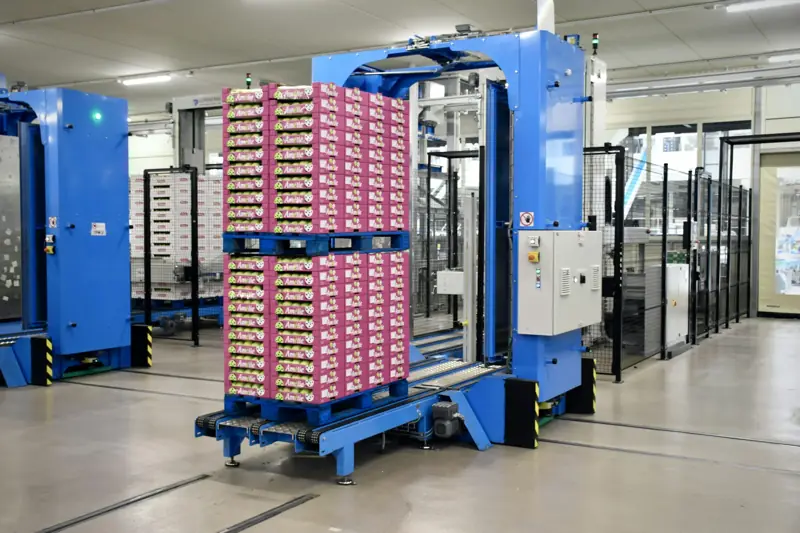
Automated pallet handling station with a pallet of cases on a conveyor

Racking, storage and rack-supported structures

Selective, pushback, pallet flow, drive-in, high-density and temperature-controlled storage, plus rack-supported buildings where the rack carries the roof.

Good fit
Almost everywhere. The question is which configuration, and whether it’s ready for the automation you’ll add later.
Where buyers get hurt
Seismic design, slab capacity, permitting and in-rack sprinklers discovered after the order. Tariffs and lead times on imported steel.
What gets checked
Specifications, engineering stamps, installation oversight and the landed-cost math on imported systems.
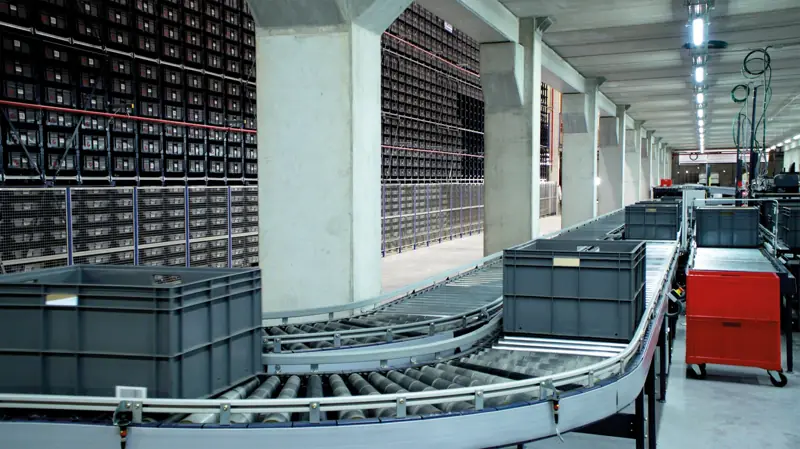
Grey totes on a curved conveyor in front of a miniload storage system

WMS, WES and WCS integration

The software decides whether the hardware ever hits rate. A warehouse execution system orchestrates work across equipment. The control system talks to it. Your WMS or ERP has to hand off cleanly to both.

Good fit
Any project with more than one automated subsystem, or an ERP-driven warehouse like SAP EWM adding automation.
Where buyers get hurt
Interface specs written after the contract, unclear ownership of the code, and testing compressed into the final two weeks.
What gets checked
Integration framework, interface definitions, the test plan and who supports what after go-live.