
The FCC robot rule, from the buyer’s side
What the July 2026 Covered List update means for your open quotes, your installed fleet and the conversation with your CFO.

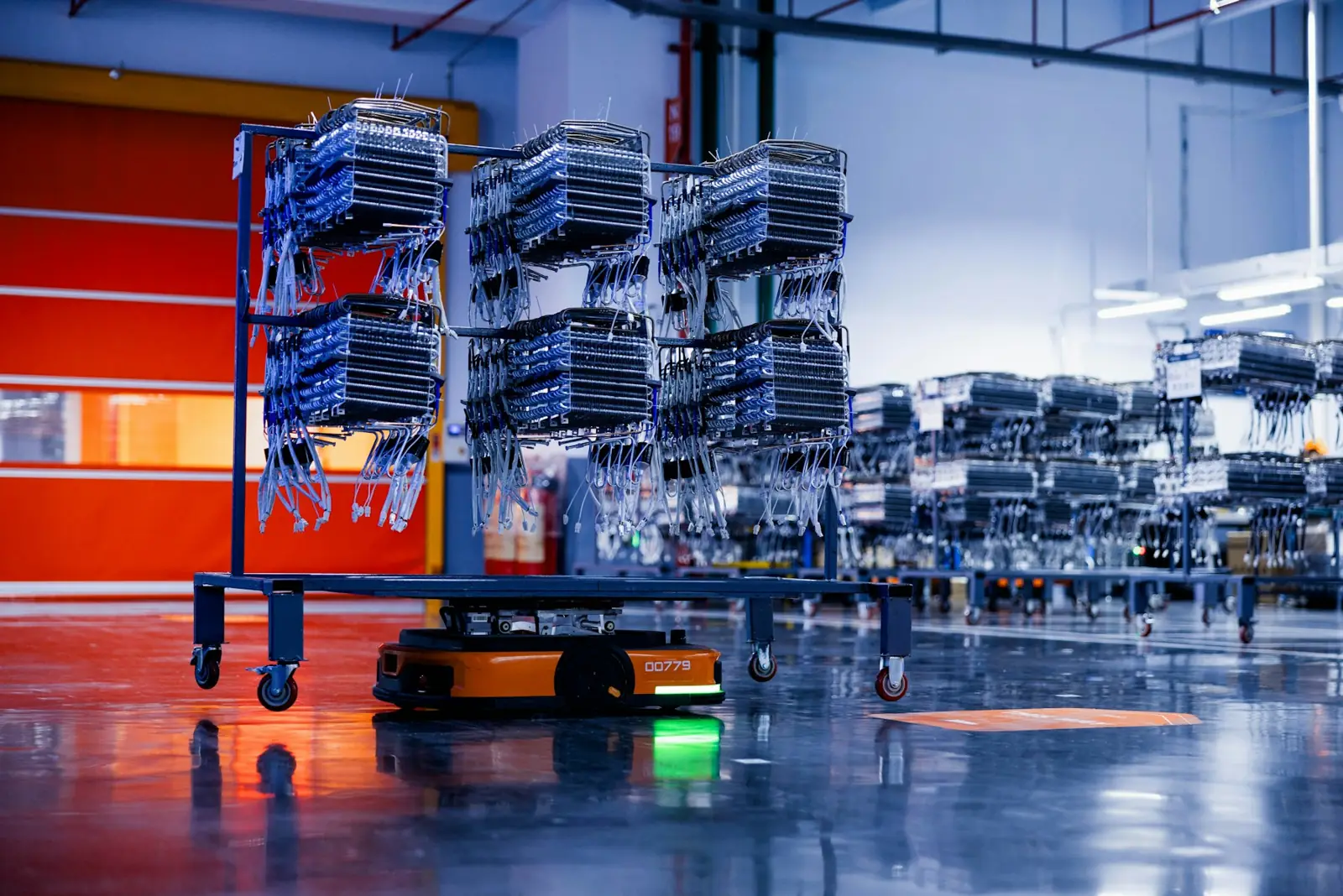
Most of what’s been written about the FCC’s robot decision comes from law firms and test labs. It’s good work. But it answers the questions a lawyer gets asked, and operations leaders have different ones. Since August I keep hearing a version of the same question: we have a mobile robot quote on the table, or a fleet on the floor, and now what?
I’m not a lawyer, and nothing here is legal advice. Your counsel and your vendor’s compliance team need to weigh in on any specific product. This is the commercial side, from someone who’s spent a career on both sides of automation deals.
What actually changed
On July 28, 2026, the FCC added foreign-produced “advanced robotic devices” to its Covered List. Equipment on that list can’t get new FCC equipment authorizations, and most electronic devices need one before they can be imported, marketed or sold in the US. The practical effect is that new models that fall inside the definition are presumptively shut out, unless they get what’s called Conditional Approval from the Department of War.
The definition is about the type of device and where it’s made, not a list of banned brands. It targets mobile robots, generally ones over 4.4 pounds with their dock, with environmental sensors, wireless communications and the software to act on their own. The FCC’s own announcement led with humanoids and quadrupeds, which made it easy for warehouse people to assume it wasn’t about them. That assumption didn’t last. Guidance since then indicates AGVs may fall inside the definition even when they follow fixed paths.
Two other details matter a lot. It isn’t limited to one country. Any qualifying robot produced outside the US is in scope, wherever the brand is headquartered. And fixed robot arms, like a palletizing cell bolted to the floor, appear to sit outside it because they aren’t mobile.
Your installed fleet
This is the good news. The Covered List works by blocking new authorizations. It isn’t a recall, and it doesn’t switch off robots you already bought. Devices on the list can also keep getting basic software and firmware updates.
So don’t rip anything out. But do take an inventory. Which mobile robots do you run, from whom, built where, and under which FCC authorization? Most sites I walk can’t answer that quickly, because the robots came in through an integrator and the paperwork lives in a project folder nobody’s opened since go-live.
The real exposure on an installed fleet is expansion. If you planned to add thirty robots next year, those robots need to be the same authorized model, or a new model with a clean path to authorization. Ask your vendor in writing which one you’d be getting.
Quotes that are open right now
Here’s where I’d spend your time this quarter. For every mobile robot in an active proposal, get three answers on paper. Where is the robot produced? Is this exact model, in this exact configuration, already FCC authorized, and under what grant? And if it isn’t, what’s the vendor’s plan and timeline, including any Conditional Approval application?
Then put the answers into the contract. A vendor who’s confident should be comfortable with a clause that protects you if the equipment can’t be legally delivered or supported. One who won’t sign it has told you something useful.
And re-check your comparison. When I normalize automation proposals, regulatory risk now gets its own line in the weighted scoring, next to service footprint and financial stability. A cheaper robot with an unclear path isn’t cheaper if the project stalls for nine months.
It’s not a reason to panic
Some of the best value in warehouse automation today comes from manufacturers in Asia-Pacific and Europe. I work with several of them. The right response isn’t to blacklist a region. It’s to ask better questions and to favor suppliers who answer them clearly.
There’s a path through, and it’s already being used. The first Conditional Approvals were granted in September, and the pattern so far suggests a credible plan to produce in the US carries real weight. The application deadline for advanced robotic devices is January 1, 2028. Expect serious manufacturers to talk about US assembly, US service and US-hosted data much more than they did a year ago.
For buyers, that’s mostly healthy. Local production and local service were always worth paying for. Now there’s a regulatory reason too.
What to tell your CFO
Keep it short. Our installed robots keep running and keep getting updates. Expansion and new purchases carry a new compliance risk that we’re managing in vendor selection and in the contract. A few suppliers may be delayed or drop out, and we’ve priced that into the decision. That’s an honest summary, and it’s a lot more reassuring than a stack of legal alerts.
If you’re in the middle of a selection and want a second set of eyes on the proposals, that’s exactly what owner’s rep work is for.
Sources
- Knox Labs: New FCC rules for foreign-produced robots (Public Notice DA 26-786)
- Morrison Foerster: The FCC’s Covered List comes for advanced robotics
- Crowell: FCC clarifies Covered List for power inverters and advanced robotic devices
- White & Case: FCC prohibits new foreign-made power inverters and mobile robots
- International Trade Insights: Foreign-produced robots added to FCC Covered List
- Steptoe: FCC Conditional Approvals for advanced robots
This article is general commentary on a commercial topic, not legal advice. Talk to qualified counsel about specific products and contracts.
More insights
How to compare ASRS quotes when no two vendors quote the same thing
Six proposals, six definitions of scope. How to normalize them and score on total cost of ownership.
The first 180 days of selling automation in North America
For manufacturers from Asia-Pacific and Europe: what to build, who to hire and which mistakes cost a year.
Shuttle buffer vs. more conveyor: when the buffer wins
More conveyor feels cheaper. It often isn't, especially when the sequence matters as much as the space.